

The Digital Skills Required To Be A Fire Risk Assessor in Warrington
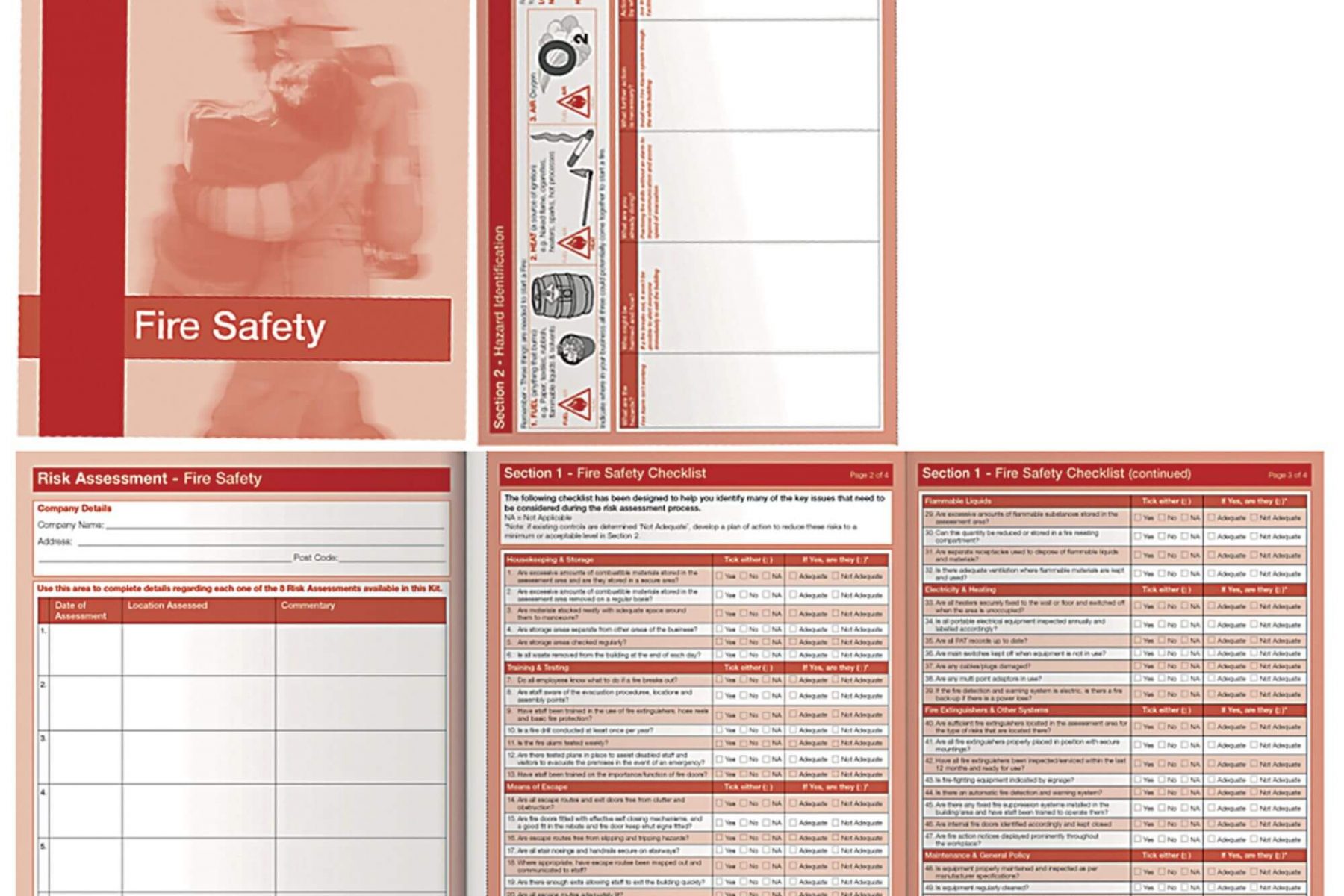
Fire risk assessors in Warrington provide a vital service to businesses, landlords, and organisations. Their role is not only about identifying hazards and ensuring compliance but also about communicating findings clearly and maintaining high professional standards. In today’s workplace, that means being digitally skilled.
Modern fire risk assessments are no longer just pen-and-paper exercises. They involve digital reporting, data management, mobile technology, and effective online communication. For those carrying out fire risk assessments in Warrington, mastering these digital tools and skills is essential for accuracy, efficiency, and credibility.
Why Digital Skills Matter for Fire Risk Assessors
Businesses in Warrington are expected to comply with the Regulatory Reform (Fire Safety) Order 2005. Enforcement authorities such as Cheshire Fire and Rescue Service require that fire risk assessments are thorough, documented, and kept up to date. Digital skills allow assessors to meet these requirements by:
- Producing clear, professional reports using industry-standard software.
- Capturing and storing data securely with accuracy and efficiency.
- Communicating findings effectively with clients and regulators.
- Using mobile apps and devices to streamline inspections on-site.
- Keeping up to date with legislation and guidance via online resources.
In short, strong digital capability allows fire risk assessors to deliver a higher quality service, reduce administrative errors, and build trust with clients.
Core Office and Productivity Software
At the heart of every assessment is documentation. Microsoft Office—and increasingly, cloud-based alternatives such as Google Workspace or Office 365—are essential for the role. Word processing software is used to create detailed reports, incorporating text, photographs, and recommendations. Excel or Google Sheets allow assessors to track hazards, prioritise actions, and manage recurring inspection data.
Presentation tools such as PowerPoint are valuable when delivering training sessions or highlighting risks to clients in Warrington who need a visual breakdown of safety concerns. Familiarity with these tools ensures that the final product is professional, accessible, and meets client expectations.
Data Accuracy and Assessment Management
Fire risk assessments are data-driven. From room measurements and occupancy levels to details about escape routes and equipment, assessors deal with a large amount of information. Accuracy in data entry is therefore crucial. Mistakes can lead to flawed reports, legal exposure, or safety oversights.
Many assessors now use dedicated fire risk assessment software, which provides digital forms, checklists, and automated reporting features. These tools improve accuracy, save time, and ensure consistency across multiple projects. When completing fire risk assessments in Warrington, the ability to enter and manage data digitally is a core professional skill.
Mobile Technology and On-Site Efficiency
Modern assessors rely heavily on mobile devices. Smartphones and tablets can be used to capture photos, complete digital checklists, and upload findings in real time. Many apps integrate directly with cloud-based reporting systems, ensuring that information is never lost and that reports are instantly backed up.
Using tablets also reduces paperwork, making inspections more efficient. Assessors can annotate photographs, add notes directly to site plans, and share updates with clients while still on-site. In Warrington’s diverse range of properties—from historic townhouses to industrial sites—mobile technology ensures assessors remain efficient and adaptable.
Online Communication and Client Engagement
Strong internet and communication skills are no longer optional. Assessors must be able to communicate with clients professionally by email, video conferencing, and secure document sharing. Many clients expect digital copies of assessments, electronic invoices, and online booking systems.
Beyond communication, digital marketing skills can help independent assessors grow their business in Warrington. A simple, professional website, basic SEO knowledge, and an active LinkedIn profile can all contribute to building credibility and attracting new clients. Clear, well-written emails also play a role in maintaining relationships, whether for scheduling reviews, sending updates, or providing guidance on changes to fire safety law.
Cybersecurity Awareness
With so much sensitive data being handled—floor plans, occupancy numbers, safety records—cybersecurity cannot be overlooked. Fire risk assessors should be aware of best practices such as secure password management, encryption of sensitive documents, and compliance with data protection laws. Clients expect their information to be handled with care, and strong cybersecurity skills help protect both the assessor and the business from reputational damage.
Staying Up to Date with Fire Safety Legislation Online
Fire safety regulations evolve, and assessors need to remain current. The internet provides immediate access to government updates, guidance from professional bodies, and local news affecting Warrington businesses. Subscribing to official updates, joining industry forums, and participating in online training ensures assessors stay ahead of changes that impact their clients.
Digital Collaboration and Cloud Storage
Collaboration is increasingly important in large or complex projects, where assessors may need to work alongside architects, facilities managers, or health and safety consultants. Cloud-based storage and collaboration tools such as SharePoint, Google Drive, or Dropbox allow for secure file sharing and version control. This ensures that everyone involved has access to the latest assessment documents without confusion or duplication.
Conclusion
Fire risk assessors in Warrington must balance specialist safety knowledge with modern digital competence. From mastering productivity software and mobile tools to maintaining cybersecurity and effective communication, digital skills underpin the ability to deliver high-quality, compliant assessments.
By embracing these skills, assessors can provide clients with reliable, efficient, and professional services that stand up to scrutiny. In a field where precision and trust are essential, being digitally capable is no longer optional—it is fundamental to success.